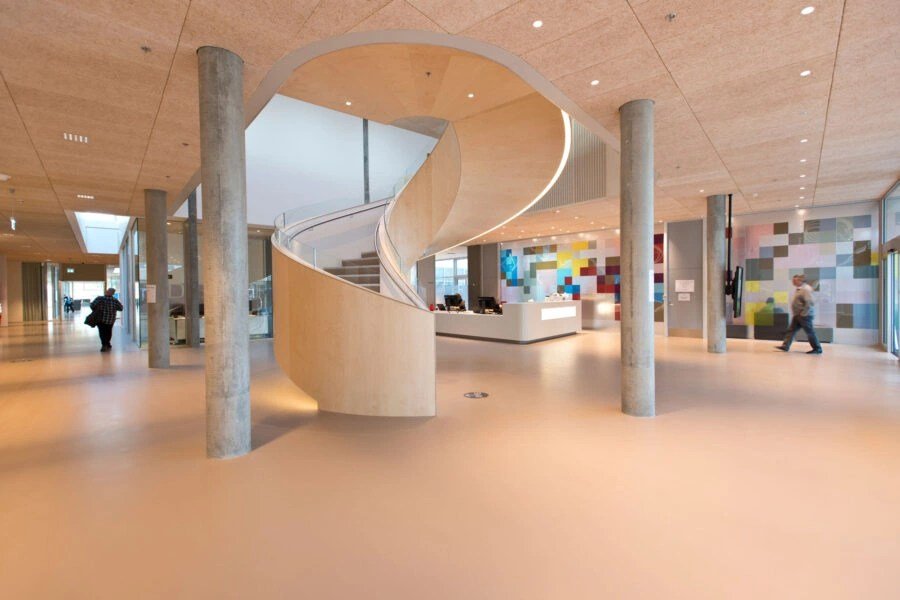
When you step into a room, what does it whisper to you? Does it offer a sigh of relief, a boost of energy, or a subtle hum of frustration? The true measure of any well-designed environment—be it your home office, a cozy reading nook, or even a meticulously planned camper van—lies in its seamless blend of Performance, Comfort & Functionality. This isn't just about aesthetics; it's about crafting spaces that genuinely serve your life, elevate your mood, and help you thrive, effortlessly.
Imagine a space that feels like a perfectly tailored suit: it fits, it moves with you, and it makes you feel your best. That's the power of intentional design, where every choice, from the ergonomic curve of a chair to the hidden storage beneath a window seat, contributes to an overarching sense of ease and efficiency. It’s about more than just looking good; it’s about living well within those walls.
At a Glance: Your Blueprint for Better Spaces
- Comfort is King for Well-being: A comfortable space isn't just nice to have; it's crucial for relaxation, emotional health, and even productivity. It's where you recharge.
- Functionality Fuels Efficiency: Your space should support tasks effortlessly, optimizing layout, access, and storage to reduce mental and physical clutter.
- The Sweet Spot is the Balance: Truly effective design harmonizes comfort and functionality, meeting both your practical needs and emotional desires.
- Invest Smart, Not Just More: Multi-functional furniture, quality materials, and smart storage deliver long-term value and adaptability.
- Personalization Matters: Infusing your style makes a space uniquely inviting and warm, reflecting who you are and what you love.
- Ergonomics Isn't Just for Offices: From your kitchen to your living room, consider how your body interacts with your environment to prevent strain.
Decoding the Design Trinity: What Each Element Brings
Before we dive into the "how-to," let's clarify what we mean by Performance, Comfort, and Functionality. While often discussed together, each plays a distinct, vital role in shaping your ideal environment.
Comfort: The Soul of Your Space
Think of comfort as the emotional bedrock of your environment. It’s the feeling of sinking into a plush armchair after a long day, the soothing warmth of natural light, or the peaceful quiet of a decluttered room. More than just physical ease, comfort encompasses:
- Emotional Well-being: An inviting, soothing, and safe environment reduces stress, fosters relaxation, and promotes a sense of peace. It’s a sanctuary where you can truly be yourself.
- Health and Restoration: Spaces designed for comfort encourage unwinding and recharging. This isn't a luxury; it's a necessity for better sleep, reduced anxiety, and improved overall health.
- Enhanced Productivity: Counterintuitively, a comfortable space can boost your focus. When you're physically at ease and emotionally content, your mind is free to concentrate on tasks, making you more efficient and creative.
Consider the soft textiles on your sofa, the perfect temperature of your room, or the gentle glow of indirect lighting. These elements aren't mere decorations; they are deliberate choices that contribute to your ability to relax, rejuvenate, and find joy in your surroundings.
Functionality: The Brains Behind the Beauty
Functionality is the intelligent backbone of your space. It's about how effortlessly your environment supports your daily routines, tasks, and flow. A functional space doesn't fight you; it assists you. This involves:
- Optimized Space Utilization: Every square foot serves a purpose. This means smart layouts that guide movement, furniture scaled appropriately for the room, and maximizing vertical and hidden spaces.
- Effortless Task Performance: Whether you're cooking, working, or simply grabbing a book, a functional design ensures everything you need is easily accessible and intuitively placed. No more hunting for scissors or tripping over rogue shoes.
- Reduced Clutter and Stress: When there’s a designated place for everything, maintaining order becomes simpler. This reduces visual noise, which in turn calms your mind and lessens feelings of overwhelm.
- Serving User Needs: Ultimately, functionality means the layout, furniture choices, and storage solutions are tailored to your specific activities, habits, and preferences. It’s not about how someone else uses a space; it's about how you do.
Imagine a kitchen where ingredients are within arm's reach while cooking, or a home office where files are neatly tucked away yet easily retrieved. These aren't accidents; they are the result of thoughtful functional design, making your daily life smoother and more productive.
Performance: The Harmony of Both
Performance isn't a separate entity; it's the beautiful outcome when comfort and functionality merge seamlessly. It’s the space that doesn't just look good or work well, but performs for you, day in and day out. A high-performing space:
- Supports Your Lifestyle: It aligns perfectly with your habits, hobbies, and family dynamics, making your life feel easy, efficient, and deeply comfortable.
- Enhances Daily Enjoyment: When your environment works with you, not against you, daily tasks become less of a chore and more of a natural extension of your living.
- Offers Long-Term Value: A well-designed, high-performing space provides enduring satisfaction and often proves more cost-effective in the long run, reducing the need for constant adjustments or replacements.
In essence, Performance is the holistic experience. It’s the "aha!" moment when you realize your living room not only looks stunning but also serves as the perfect spot for movie nights, board games, and quiet reading.
Crafting Your Sanctuary: Strategies for Balance
Achieving this ideal balance isn't about following rigid rules; it's about thoughtful consideration of your lifestyle, needs, and personal preferences. Here’s how to bring Performance, Comfort, and Functionality to life in your own spaces:
1. Evaluate Your Requirements: The Deep Dive into Your Life
Before moving a single piece of furniture, take stock of how you actually live. What activities happen here? Who uses the space? What are your daily frustrations?
- Identify Your Priorities: Is maximum relaxation in the living room more important than hosting large gatherings? Does your home office need to double as a guest room? Pinpointing these non-negotiables is the first step.
- Track Your Habits: Observe yourself for a week. Where do you typically drop your keys? Where do you read? What items do you reach for most often? This ethnographic data is invaluable.
- Define "Comfort" for You: For some, it's plush softness; for others, it's clean lines and natural light. Understand your personal definition.
- List Functional Needs: Create a list of tasks performed in each area. For a kitchen, it might be "meal prep," "eating," "entertaining," "storage for pantry items."
Just like deciding if Lululemon is worth it requires you to weigh your specific needs against the product's features, designing your space demands a thorough personal assessment.
2. Invest in Multi-functional Furniture: Smart Solutions for Smart Living
Especially in smaller spaces, furniture that pulls double or even triple duty is a game-changer for both comfort and functionality.
- Sofa Beds and Daybeds: Offer comfortable seating by day and a convenient sleeping solution by night.
- Ottomans with Storage: Perfect for propping up your feet (comfort!) and stashing blankets, magazines, or remote controls (functionality!).
- Nesting Tables: Provide flexible surface area when needed and tuck away neatly to free up floor space.
- Expandable Dining Tables: Go from intimate dinners to larger gatherings with ease.
This approach optimizes your square footage, reduces clutter, and ensures that every piece earns its place.
3. Maximize Natural Light: The Ultimate Mood Enhancer
Natural light is a powerful, free resource that profoundly impacts comfort, aesthetics, and energy efficiency.
- Position Furniture Strategically: Arrange seating near windows to capitalize on daylight for reading or simply enjoying the view. Avoid blocking windows with tall furniture.
- Use Light-Reflecting Surfaces: Incorporate mirrors, light-colored walls, and reflective finishes to bounce light deeper into the room.
- Consider Window Treatments: Opt for sheer curtains or blinds that allow light in while still offering privacy.
- Open Up Spaces: If possible, remove heavy drapery or consider open shelving instead of solid wall cabinets to keep light flowing.
A well-lit room feels larger, more inviting, and can significantly improve your mood and energy levels, offering a natural boost to both comfort and productivity.
4. Prioritize Quality Materials: The Foundation of Lasting Comfort
The materials you choose aren't just about looks; they dictate durability, longevity, and tactile comfort.
- Soft Textiles: For sofas, cushions, and rugs, opt for fabrics like velvet, linen, or high-thread-count cotton for a luxurious, inviting feel.
- Sturdy Woods: Invest in solid wood furniture for its durability and timeless appeal. It withstands daily use and often gains character over time.
- Durable Surfaces: Choose countertops and flooring materials that stand up to wear and tear, reducing maintenance headaches and extending their lifespan. Think about granite, quartz, or quality hardwood.
- Tactile Comfort: Don't underestimate the power of touch. Consider how a material feels against your skin, underfoot, or to the hand.
While quality materials might represent a higher initial investment, they often prove cost-effective in the long run by requiring less frequent replacement and maintaining their aesthetic appeal. This is a crucial element for lasting Performance.
5. Incorporate Smart Storage Solutions: The Key to Calm and Order
Clutter is the enemy of both comfort and functionality. Thoughtful storage creates a serene, efficient environment.
- Hidden Compartments: Look for beds with drawers, coffee tables with lift-tops, or benches with built-in storage.
- Built-in Shelves and Cabinetry: Utilize awkward nooks or empty walls with custom or modular shelving that blends seamlessly.
- Wall-Mounted Units: Floating shelves, wall-hung desks, or media consoles free up floor space, making a room feel larger and easier to clean.
- Vertical Storage: Go upwards! Tall bookcases, pantry pull-outs, and tiered organizers maximize space in cabinets and closets.
- Decorative Storage: Baskets, attractive boxes, and lidded containers can hide everyday items while adding to your decor.
When everything has a home, your mind feels clearer, and your space instantly becomes more comfortable and easier to navigate.
6. Design for Flexibility: Adaptable Spaces for Evolving Lives
Life changes, and your spaces should be able to evolve with you. Flexible design ensures long-term functionality and comfort.
- Modular Designs: Think modular sofas that can be rearranged, or shelving units that can be added to or reconfigured.
- Movable Furniture: Lightweight pieces, furniture on casters, or easily collapsible items allow for quick room transformations.
- Zone Planning: Instead of rigidly defining rooms, create "zones" within larger spaces (e.g., a reading zone, a work zone) using rugs, lighting, or partial dividers.
- Neutral Foundation with Flexible Accents: Start with neutral large furniture pieces and wall colors, then introduce color and personality through easily changeable accessories like pillows, throws, and artwork.
This adaptability ensures your initial design investment continues to serve your changing needs for years, much like deciding if Lululemon is worth it for versatile athletic wear that adapts to different activities.
7. Embrace Ergonomics: Comfort That Supports Your Body
Ergonomics isn't just for office chairs; it's about designing every interaction with your space to reduce strain and promote well-being.
- Seating Choices: Ensure chairs, sofas, and stools provide proper back support, appropriate seat depth, and are at a comfortable height for the activity.
- Workstation Setup: If you have a desk, prioritize correct desk height, monitor placement at eye level, and a chair that supports natural posture to prevent discomfort and improve focus.
- Kitchen Layout: Plan work triangles (sink, stove, refrigerator) to minimize steps, and ensure countertops are at an ergonomic height for comfortable meal prep.
- Lighting for Tasks: Beyond ambient light, ensure task lighting (under-cabinet lights, reading lamps) is adequate to prevent eye strain.
Good ergonomics means your body feels supported, allowing you to engage with your space for longer periods without discomfort, enhancing both comfort and productivity.
8. Personalize the Space: Your Signature Touch
A space truly comes alive when it reflects you. Personalization is the final, crucial ingredient for ultimate comfort and an inviting atmosphere.
- Artwork and Photography: Display pieces that resonate with you, tell a story, or evoke positive emotions.
- Color Schemes: Choose colors that you love and that create the desired mood (calm blues, energetic yellows, cozy earth tones).
- Unique Décor: Incorporate travel souvenirs, family heirlooms, or handcrafted items that bring character and a sense of history.
- Textural Layers: Add throws, decorative pillows, and area rugs to introduce softness, warmth, and visual interest.
- Greenery: Plants not only add life and color but can also improve air quality, contributing to a healthier, more comfortable environment.
Personalization transforms a house into a home, making it feel distinctly yours and imbuing it with a warmth that generic design can never achieve.
Beyond the Blueprint: The Case for Custom Builds
Sometimes, off-the-shelf solutions simply can't meet every unique need for Performance, Comfort, and Functionality. This is where custom builds shine. Think about the growing popularity of specialized van conversions, tiny homes, or even custom kitchen remodels.
- Tailored to Your Exact Needs: Custom builds allow you to design every inch to your specific ergonomic and functional requirements. For someone with unique accessibility needs, a custom shower or kitchen might be essential for daily independence.
- Optimized for Efficiency: In a van conversion, for instance, every storage nook, bed platform, and countertop is meticulously planned to maximize utility in a compact space, leading to unparalleled efficiency.
- Higher Comfort and Ergonomics: You can specify precise desk heights, bed dimensions, or seating angles to perfectly suit your body and habits, reducing strain and enhancing long-term comfort.
- Long-Term Value: While the initial investment for a custom build can be higher, the benefits of personalized features and superior functionality often make them cost-effective in the long term. They often require fewer subsequent modifications and provide a higher quality of life. For instance, deciding if Lululemon is worth it involves considering long-term use and personal value; custom builds apply a similar principle but on a much larger scale.
The power of a truly custom space lies in its ability to adapt perfectly to your unique universe, delivering peak performance, comfort, and functionality that mass-produced options simply cannot.
Common Pitfalls to Avoid in Design
Even with the best intentions, it's easy to stumble into design traps that compromise your goals.
- Ignoring Scale and Proportion: Over-furnishing a small room or under-furnishing a large one can disrupt flow and visual balance. Always measure, and use painter's tape to "map out" furniture on the floor.
- Sacrificing Function for Form (or Vice-Versa): Don't buy a beautiful but uncomfortable sofa, or a highly functional but visually jarring storage unit. Aim for harmony.
- Poor Lighting Planning: Relying solely on overhead lighting creates harsh shadows and lacks warmth. Layering ambient, task, and accent lighting is crucial.
- Forgetting About Flow: Obstacles in walkways, doors that collide, or awkward furniture arrangements hinder movement and make a space feel cramped.
- Trying to Do Too Much: Over-decorating or attempting to cram too many functions into one area can lead to visual chaos and reduced effectiveness. Simplicity often reigns supreme.
- Neglecting Personalization: A sterile, showroom-perfect space, while seemingly functional, lacks the warmth and comfort of a truly lived-in, personalized home.
Your Space, Reimagined: The Path Forward
The journey to creating spaces that excel in Performance, Comfort, and Functionality is an ongoing one, but it starts with intention. It's about viewing your environment not just as a backdrop, but as an active participant in your daily life.
By evaluating your true needs, embracing smart design strategies, and personalizing your surroundings, you're not just decorating; you're investing in your well-being, productivity, and overall enjoyment of life. Whether you're making small tweaks to a single room or embarking on a full custom build, remember that the most successful designs are those that cater precisely to the unique individual living within them. Start small, observe, adjust, and watch as your spaces transform into sanctuaries of efficiency and ease. Your ideal environment isn't a dream; it's a design away. Take the first step, and make your space work for you. Much like how a decision to invest in Deciding if Lululemon is worth it can impact your fitness journey, investing in your living spaces can profoundly shape your daily experience.