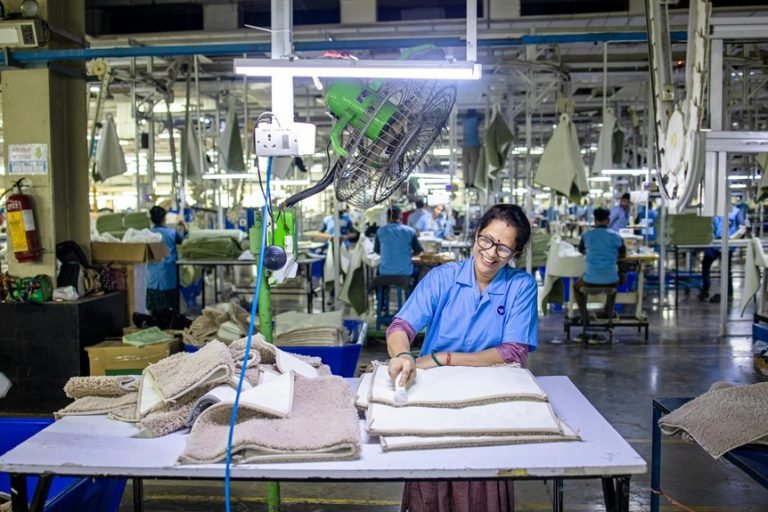
The clothes we wear, the gear that protects us, and even the infrastructure supporting our cities are undergoing a quiet revolution. No longer just about weaving threads, the world of Quality, Durability & Fabric Technology is experiencing a seismic shift, blending ancient craftsmanship with advanced science. From self-cleaning shirts to earthquake-resistant buildings, cutting-edge innovations are redefining what textiles can do, pushing boundaries from performance wear to sustainable solutions. This isn't just about fashion; it's about engineering a more resilient, efficient, and responsible future, one fiber at a time.
At a Glance: What You'll Discover About Modern Fabrics
- Beyond Basic Threads: Learn how innovations like 3D printing and nanotechnology are creating fabrics with extraordinary capabilities.
- Smart Wardrobes: Understand how embedded sensors are transforming garments into personal health trackers and interactive tech.
- Green Revolution: Explore sustainable fabrics made from recycled and biodegradable materials, and their significant environmental benefits.
- Built to Last: Discover how advanced textiles provide critical functions in everything from military gear to earthquake-resistant construction.
- Challenges Ahead: Get a grasp on the hurdles facing widespread adoption of these technologies, from cost to consumer education.
- Your Power to Choose: Find actionable advice on how to make informed purchasing decisions that support quality and sustainability.
The New Fabric of Life: Why Quality and Durability Matter More Than Ever
In a world increasingly focused on fast trends and disposable goods, the pendulum is swinging back. Consumers are demanding more from their products, especially textiles. They want items that last, perform, and align with environmental values. This demand isn't just a preference; it's a necessity driven by economic prudence and ecological awareness. High-quality, durable fabrics aren't just a luxury; they represent a fundamental shift towards a more sustainable consumption model, reducing waste and conserving resources.
The journey from raw material to finished garment is no longer linear; it's a complex ecosystem of innovation. We're moving beyond simple cotton and polyester, entering an era where materials are engineered at a molecular level to resist wear, repel stains, regulate temperature, and even monitor our health. This evolution isn't happening in isolation; it's a direct response to global challenges and an inherent human desire for better, more reliable solutions.
Unraveling the Future: Top 10 Innovations Transforming Fabric Manufacturing
Fabric manufacturing today is a melting pot of ingenuity, blending environmental responsibility with high-tech wizardry. These innovations aren't just incremental improvements; they're radical advancements that are reshaping material capabilities across countless industries.
Crafting Tomorrow's Textiles: 3D Printing of Fabrics
Imagine designing a garment on a computer and having it printed layer by layer, tailored precisely to your needs. That's the promise of 3D printing in fabrics. This additive manufacturing technique allows for intricate, unique designs using textiles or plastics, offering unprecedented customization. Beyond aesthetics, it's a game-changer for efficiency. By producing only what's needed, waste is dramatically reduced, and multiple production steps are streamlined, saving significant time and cost. Think bespoke athletic wear that perfectly fits every curve or medical textiles precisely designed for patient comfort and function.
Micro-Scale Magic: Nanotechnology for Unrivaled Performance
When you manipulate materials at the nanoscale, incredible things happen. Nanotechnology involves incorporating nanoparticles into fabrics to supercharge their functionality, durability, and moisture-wicking properties.
- Functionality Amplified: Nanofibers create tiny pores for enhanced breathability, making sportswear more comfortable. They also enable the creation of eco-friendly fabrics that are biodegradable, recyclable, and inherently sustainable from the ground up.
- Engineered Strength & Resilience: Nanomaterials manipulated at the atomic level boost fabric strength and resistance to wear and tear. This isn't just a surface treatment; it involves molecular engineering—like precisely manipulating polymer chains and cross-linking fiber bonds. Microscopic protective layers can repel water, oil, and UV rays while still allowing the fabric to breathe. Some bioengineered proteins are even paving the way for self-repairing fabrics that can mend micro-tears on their own.
- Superior Moisture Management: Say goodbye to soggy workout gear. Specialized fibers, coupled with molecular-level nanotechnology treatments, efficiently pull sweat away from the body, actively repel external moisture, and accelerate evaporation. This optimizes performance textiles for athletes and anyone needing advanced climate control.
Wearable Intelligence: Smart Fabrics With Embedded Sensors
Your clothing is no longer just a covering; it's an interactive interface. Smart fabrics integrate micro-electronics and conductive threads directly into the garment, turning everyday apparel into powerful tools. These intelligent textiles can track your health and fitness, monitoring heart rate, temperature, and movement. They can also monitor environmental conditions or even control external devices. Imagine temperature-regulating fabrics utilizing phase-change materials to keep you comfortable in fluctuating conditions, self-cleaning properties via photocatalytic coatings that break down dirt, or shape-memory alloys that allow fabrics to adapt their fit or function.
Closing the Loop: Sustainable Fabrics from Recycled Materials
The textile industry has a significant environmental footprint, but sustainable fabrics are stepping up to change that. This innovation focuses on using upcycled textiles and eco-friendly methods to drastically reduce waste and decrease the demand for virgin raw materials.
Take upcycled cotton, for example, which significantly reduces the water and pesticide use associated with conventional cotton farming. Recycled polyester (rPET), made from plastic bottles, decreases energy consumption and reliance on petroleum. The impact is staggering: durable textiles made this way require up to 60% less energy over their lifetime compared to conventional alternatives. They also outlast regular cotton by 3-5 times, preventing massive amounts of waste from reaching landfills. Moreover, closed-loop production systems, which recycle old textiles back into new ones, offer manufacturers a compelling economic benefit, leading to 40-60% cost savings over five years.
Infinite Possibilities: Digital Fabric Printing for Customization
Remember the days of limited patterns and colors? Digital fabric printing has shattered those constraints. This technology offers endless design possibilities, allowing for personalized patterns, colors, and textures, and it's fully compatible with eco-friendly materials. It enhances efficiency and cost-effectiveness through automation, significantly reduced waste, faster production cycles, and the ability to customize at scale—making personalized fashion and branded merchandise more accessible than ever.
Color That Lasts: Advanced Dyeing Techniques for Vibrant Hues
Achieving vibrant, long-lasting colors is crucial for textile appeal, and new dyeing techniques are doing it better and greener. Cutting-edge methods now include eco-friendly processes that use less water and fewer toxic chemicals, leading to vivid, durable colors that resist fading. Digital printing technology further ensures precise, detailed designs, often replacing traditional, resource-intensive screen printing methods and reducing the environmental impact of textile coloration.
Precision and Power: High-Tech Weaving and Knitting Machines
At the heart of fabric production are the machines themselves. Modern high-tech weaving and knitting machines are marvels of engineering, enhancing efficiency, precision, and versatility. They operate at incredibly high speeds, dramatically increasing productivity. Equipped with advanced software and sensors, these machines can produce intricate patterns and customizable textures with ease. This leads to improved overall quality and consistency in the final fabric through precise control and extensive automation.
Nature's Answer: Biodegradable and Compostable Fabrics
Addressing the end-of-life problem for textiles, biodegradable and compostable fabrics offer a greener exit strategy. Biodegradable textiles, crafted from natural materials like bamboo, hemp, and organic cotton, are designed to break down naturally in the environment without causing harm. Compostable fabrics go a step further, decomposing into organic matter, enriching soil rather than polluting it. These innovations offer vital, greener alternatives that significantly reduce the fashion industry's colossal environmental footprint.
The Final Touch: Innovations in Textile Finishing Processes
Once a fabric is woven or knitted, finishing processes add crucial characteristics, from softness to water repellency. Innovations in this area are enhancing both durability and aesthetics while actively addressing environmental concerns. Advancements include waterless dyeing, which utilizes specialized inks and digital printing for color application, drastically cutting water usage. Plasma treatment improves performance characteristics like water repellency and stain resistance without the need for harmful chemicals. Additionally, biodegradable coatings, derived from natural materials, are providing sustainable functionality, replacing less eco-friendly finishes.
Spotting Perfection: Automated Fabric Inspection and Quality Control
Maintaining quality at scale requires more than just human eyes. Automated fabric inspection and quality control systems are revolutionizing this crucial step. These systems employ high-resolution cameras and sophisticated image processing algorithms to detect fabric defects in real-time and continuously monitor quality. This technology streamlines production, significantly improves efficiency, and reduces costs by catching flaws early. It also provides more accurate and consistent results than manual inspection, ensuring a higher standard of quality control.
Durability in Action: How Advanced Textiles Shape Our World
The impact of quality and durable textiles stretches far beyond the clothing rack. These innovative materials are fundamental to safety, efficiency, and progress across a vast spectrum of industries.
- Military-Grade Protection: In military applications, durable textiles are non-negotiable. They form the backbone of protective gear, ballistic vests, and shelters, designed to withstand extreme conditions and provide critical safety.
- Healthcare Hygiene: The healthcare sector benefits immensely from advanced fabrics. Antimicrobial fabrics, often incorporating silver nanoparticles, help prevent the spread of infections, making hospital environments safer and reducing the risk of contamination.
- Structural Resilience in Construction: In construction, durable textiles are literally built into the foundations. Fiberglass-reinforced polymer composites are used to enhance earthquake resistance in buildings, providing crucial structural integrity.
- Automotive Safety: Modern vehicles incorporate impact-absorbing textiles in airbags, seatbelts, and interior components to enhance passenger safety and mitigate injury in collisions.
- Rugged Outdoor Equipment: From tents to hiking gear, outdoor equipment relies on waterproof, breathable membranes and tear-resistant fabrics to protect users from the elements and ensure longevity in harsh environments.
- Agricultural Efficiency: UV-resistant covers and geotextiles are used in agriculture to protect crops, improve soil quality, and manage irrigation, increasing yields and resource efficiency.
- Civil Engineering Foundations: Geotextiles play a vital role in civil engineering projects, providing soil stabilization, erosion control, and filtration in road construction, dam building, and drainage systems.
- Emergency Response Readiness: First responders depend on high-performance textiles. Flame-resistant suits made from aramid fibers, for instance, are engineered to maintain their integrity above 800°F, offering life-saving protection in extreme heat and fire.
Navigating the Cutting Edge: Challenges in Durable Textile Development
While the future of fabric technology looks incredibly bright, the path forward isn't without its hurdles. Bringing these innovations to widespread adoption presents several significant challenges.
Scalability & Environmental Concerns
Many nanocoating technologies, while highly effective, currently face scalability issues. The processes can be complex and often rely on toxic solvents, which counter the very environmental benefits these advanced materials aim to deliver. Developing greener, more efficient production methods that can be scaled for mass manufacturing remains a key challenge.
Mind the Gap: Consumer Education
For many consumers, the intricacies of fabric technology remain a mystery. Without proper education on the benefits, care requirements, and unique properties of advanced textiles, adoption can be slow. A lack of understanding can lead to improper care, shortening a product's lifespan and undermining the investment in durability. Bridging this knowledge gap is crucial for mainstream acceptance.
Regulation Lag: Keeping Pace with Tech
The speed of textile innovation often outpaces the development of robust regulatory frameworks. New materials with properties like self-healing capabilities or embedded electronics raise questions about safety, environmental impact, and disposal that existing regulations may not adequately address. Clear, adaptable guidelines are essential to foster responsible innovation and build consumer trust.
The Price Tag: High Initial Costs
Developing and manufacturing advanced fabrics with superior quality and durability often involves high initial costs for research, specialized equipment, and raw materials. While these investments typically translate to long-term savings for consumers through extended product life, the higher upfront price can deter widespread adoption, especially in price-sensitive markets. Balancing innovation with affordability is a delicate act.
The Fabric of Tomorrow: What's Next in Textile Innovation
The pace of innovation shows no signs of slowing. The future of textiles promises even more groundbreaking advancements that will further blur the lines between nature, engineering, and digital intelligence.
- Increased Integration of Biodegradable Components: Expect a surge in fabrics that not only perform exceptionally but also gracefully return to the earth. Future textiles will likely feature even more advanced biodegradable polymers and natural fibers, offering truly circular solutions.
- AI-Optimized Textile Design: Artificial intelligence is poised to revolutionize the design process, optimizing material composition, weaving patterns, and finishing treatments for specific performance characteristics. AI can simulate fabric behavior, predict durability, and even suggest novel material combinations, accelerating innovation and efficiency.
- Breakthroughs in Biofabricated Textiles: Imagine growing fabrics in labs, replicating the incredible durability traits found in natural materials like spider silk or specialized plant fibers. Biofabricated textiles, produced through biotechnological processes, hold the promise of unprecedented strength, lightness, and sustainability.
- The Rise of 3D Weaving Technologies: Beyond simple 3D printing, 3D weaving involves creating complex, multi-layered textile structures directly from the loom. This will enable the production of fabrics with integrated functionality, complex geometries, and superior load-bearing capabilities, opening new avenues for applications in aerospace, automotive, and high-performance sports.
Making Smarter Choices: Your Role in a Sustainable Fabric Future
Ultimately, the power to drive positive change rests with you, the consumer. By making informed choices, you can champion quality, durability, and sustainability, helping to shape a better textile landscape for everyone.
Prioritize Quality Over Quantity
Resist the allure of fast fashion. Instead, invest in well-made items that are designed to last. A single, high-quality garment that serves you for years is far more sustainable than multiple cheap alternatives that quickly wear out and get discarded. When it comes to making long-term investments in your wardrobe, it's worth taking the time to Decide if Lululemon is worth it for performance and durability. This mindset reduces waste, saves money over time, and supports a more responsible industry.
Look for Certifications
Seek out trusted certifications that signal environmental and ethical integrity. Labels like OEKO-TEX® (ensuring textiles are free from harmful substances) and Global Recycled Standard (verifying recycled content) provide transparency and assurance that you're supporting responsible production practices.
Invest in Versatile Pieces
Choose garments and items that can serve multiple purposes or transition across seasons and occasions. Versatile pieces reduce the need for a vast wardrobe, promoting mindful consumption and maximizing the utility of your durable investments.
Support Ethical Brands
Research the brands you buy from. Look for companies committed to ethical labor practices, transparent supply chains, and environmental stewardship. Your purchasing power is a vote for the values you wish to see reflected in the industry.
Master Proper Care
Even the most durable fabrics require appropriate care to maximize their lifespan. Always follow manufacturer guidelines precisely for washing, drying, and storage. Simple steps like washing in cold water, air-drying, and repairing minor damage can significantly extend fabric life, delaying replacement and reducing your environmental impact.
Your Fabric Forecast: Key Takeaways for Informed Living
The advancements in Quality, Durability & Fabric Technology are nothing short of revolutionary. From garments that monitor your health to materials that make our infrastructure more resilient, the future is literally woven into the fibers of innovation. These technologies promise not just better products, but a more sustainable and functional world.
As you navigate the marketplace, remember that every purchasing decision holds weight. By understanding these innovations, prioritizing quality, and adopting sustainable habits, you become an active participant in shaping the textile industry's evolution. It's about more than just buying a product; it's about investing in a future where textiles serve us better, last longer, and respect our planet.